
refrigerator not cooling

Fridge Repair Costs & Pricing Factors - Dutchman Appliance Repair
A refrigerator that fails to cool can be a significant inconvenience, leading to spoiled food and increased energy costs. Understanding the common causes of cooling failures is essential for homeowners and renters alike. This guide will explore the various reasons why refrigerators may not cool properly, along with expert repair solutions and troubleshooting tips. By identifying the symptoms early, you can prevent further damage and ensure your appliance operates efficiently. We will cover common causes, DIY troubleshooting steps, when to seek professional help, and the benefits of expert diagnosis and repair.
What Are the Common Causes of Refrigerator Cooling Failure?
Refrigerator cooling failures can stem from several common issues that affect the appliance’s ability to maintain low temperatures. Understanding these causes is crucial for effective troubleshooting. The primary reasons include compressor failure, thermostat issues, and evaporator coil problems. Each of these components plays a vital role in the cooling process, and identifying the symptoms early can prevent further damage to the appliance.
How Do Compressor Problems Affect Refrigerator Cooling?
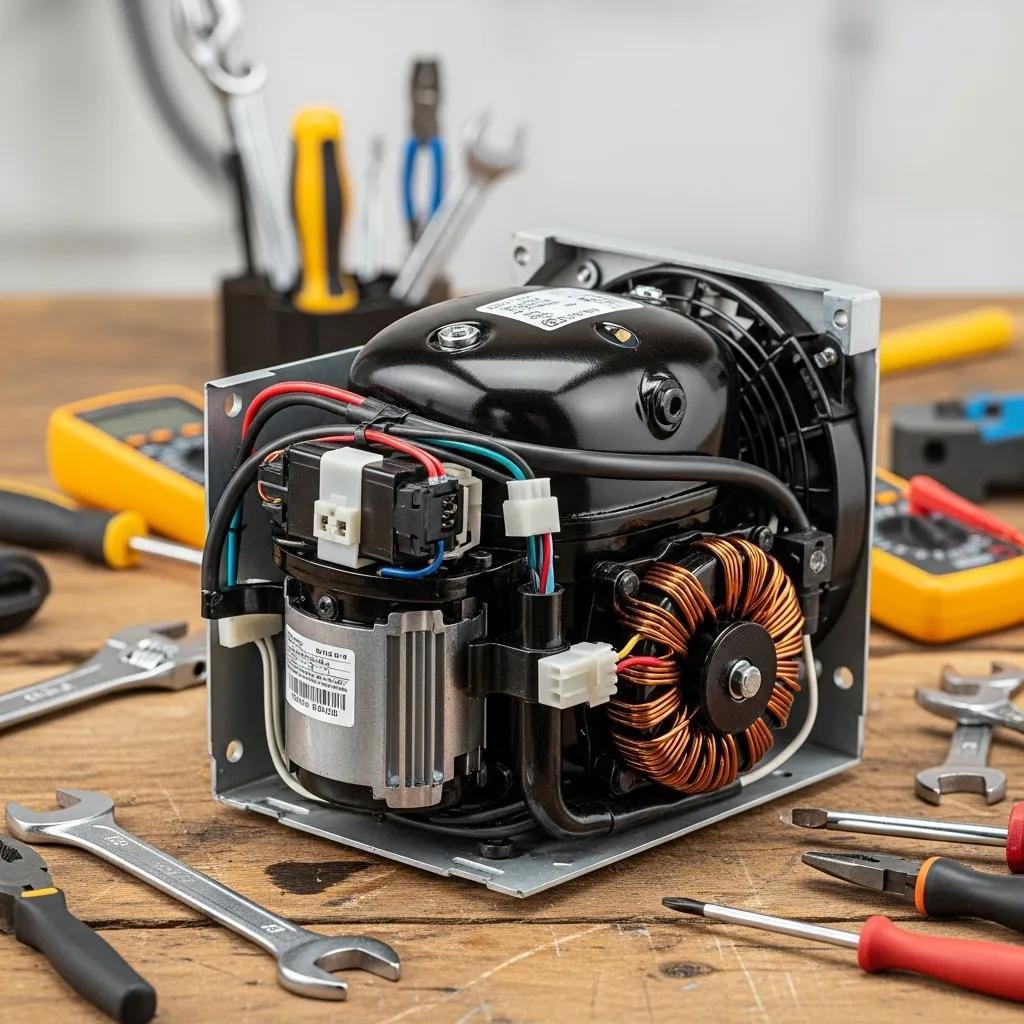
The compressor is a critical component of a refrigerator, responsible for circulating refrigerant throughout the system. When the compressor malfunctions, it can lead to inadequate cooling, resulting in a warm refrigerator. Signs of compressor failure include unusual noises, such as clicking or buzzing, and temperature fluctuations inside the fridge. Addressing “compressor issues” promptly is essential to restore proper cooling functionality.
What Role Do Thermostats and Evaporator Coils Play in Cooling Issues?
Thermostats and evaporator coils are integral to a refrigerator’s cooling system. The thermostat regulates the temperature settings, ensuring the appliance maintains the desired coolness. If the thermostat is faulty, it may not signal the compressor to turn on, leading to cooling failures. Similarly, evaporator coils facilitate heat exchange, and any malfunctions in these components can disrupt the cooling process. Regular maintenance and timely repairs can help prevent these issues.
How Can You Diagnose and Fix Refrigerator Cooling Issues Yourself?
Diagnosing refrigerator cooling issues can often be done by homeowners with some basic troubleshooting steps. Start by checking the power supply to ensure the appliance is plugged in and receiving electricity. Next, inspect the thermostat settings to confirm they are set correctly. Additionally, examine the door seals for any gaps that may allow warm air to enter. If these simple checks do not resolve the issue, it may be time to consider more in-depth troubleshooting.
What Are Step-by-Step DIY Troubleshooting Tips for a Warm Fridge?
Here are some step-by-step tips for troubleshooting a warm refrigerator:
- Check Power Supply: Ensure the refrigerator is plugged in and the outlet is functioning.
- Inspect Thermostat Settings: Verify that the thermostat is set to the correct temperature.
- Examine Door Seals: Look for gaps or damage in the door seals that could allow warm air to enter.
- Clean Condenser Coils: Dust and debris on the coils can hinder cooling efficiency; clean them regularly.
- Defrost the Freezer: If frost builds up, it can block airflow; defrost the freezer if necessary.
These steps can help identify and resolve minor issues before they escalate into more significant problems.
When Is DIY Repair Appropriate Versus Professional Service?
While many minor refrigerator issues can be addressed through DIY repairs, some situations require professional expertise. DIY repairs are suitable for minor issues, such as adjusting thermostat settings or cleaning condenser coils. However, complex problems, such as compressor failures or refrigerant leaks, should be handled by professionals. Hiring an expert ensures that repairs are conducted safely and effectively, often with warranties on the work performed.
When Should You Schedule Professional Refrigerator Repair Services?
Recognizing the signs that indicate the need for professional repair is crucial for maintaining your refrigerator’s functionality. Signs of malfunction include persistent temperature issues, unusual noises, and excessive frost buildup. Delaying repairs can lead to food spoilage and increased costs. If you notice these symptoms, it is advisable to schedule professional repair services promptly.
What Are the Benefits of Expert Diagnosis and Repair?
Expert diagnosis and repair offer several advantages for homeowners facing refrigerator issues. Professionals have the right tools and experience to accurately diagnose problems, saving time and money in the long run. Additionally, many repair services provide warranties on their work, giving homeowners peace of mind. By opting for professional assistance, you can ensure that your refrigerator is restored to optimal working condition.
How to Schedule Reliable Refrigerator Repair Near Me Online?
Scheduling reliable refrigerator repair services online is a convenient option for homeowners. Many service providers offer user-friendly websites that allow you to book appointments quickly. When scheduling, ensure you choose a reputable service provider with positive customer reviews. This approach not only saves time but also ensures that you receive quality service from experienced technicians.
What Are the Typical Costs and Pricing Factors for Refrigerator Repair?
Understanding the costs associated with refrigerator repair can help homeowners make informed decisions. Repair costs vary based on the type of issue and the components involved. Factors influencing costs include the age of the refrigerator, warranty status, and the complexity of the repair. Transparent pricing helps customers avoid unexpected expenses and ensures they receive fair estimates.
How Do Repair Costs Vary by Component and Issue?
Different components of a refrigerator have varying repair costs based on the nature of the issue. For example, compressor repairs tend to be more expensive than thermostat replacements due to the complexity involved. Understanding these cost variations can help homeowners budget for necessary repairs and make informed choices about their appliances.
| Component | Typical Repair Cost | Common Issues |
|---|---|---|
| Compressor | $300 – $600 | Failure to start, unusual noises |
| Thermostat | $100 – $250 | Incorrect temperature readings |
| Evaporator Coil | $200 – $500 | Frost buildup, inefficient cooling |
This table illustrates how repair costs can differ based on the component and the specific issues encountered.
What Transparent Pricing and Service Options Does Dutchman Appliance Repair Offer?
“Dutchman Appliance Repair” is committed to providing transparent pricing and service options for refrigerator repairs. Upfront estimates prevent hidden fees, ensuring customers know what to expect. Customer satisfaction is a priority, and the company offers various contact options for inquiries and service requests. By choosing Dutchman Appliance Repair, homeowners can trust that they are receiving reliable and efficient service.
How Can Regular Maintenance Prevent Refrigerator Cooling Problems?
Regular maintenance is essential for preventing refrigerator cooling problems. Simple tasks, such as cleaning condenser coils and checking door seals, can significantly enhance the appliance’s efficiency. Additionally, scheduling professional inspections can help identify potential issues before they escalate into costly repairs. By prioritizing maintenance, homeowners can extend the lifespan of their refrigerators and ensure optimal performance.
What Maintenance Tips Help Keep Your Fridge Cold Enough?

To maintain a properly functioning refrigerator, consider the following maintenance tips:
- Clean Condenser Coils: Regularly clean the coils to prevent dust buildup that can hinder cooling.
- Check Door Seals: Inspect seals for damage and replace them if necessary to maintain efficiency.
- Keep the Fridge Organized: Avoid overloading the fridge, as proper airflow is essential for cooling.
Implementing these tips can help keep your refrigerator running smoothly and efficiently.
How Does Energy-Efficient Appliance Care Impact Cooling Performance?
Energy-efficient appliance care plays a significant role in maintaining optimal cooling performance. Energy-efficient refrigerators are designed to use less energy while providing effective cooling. Regular maintenance, such as cleaning coils and ensuring proper airflow, can enhance the performance of these appliances. Understanding “energy efficiency” can also help homeowners reduce their energy costs while ensuring their refrigerators operate effectively.