Why Your Fridge Isn’t Cooling: Solutions by Dutchman Appliance Repair
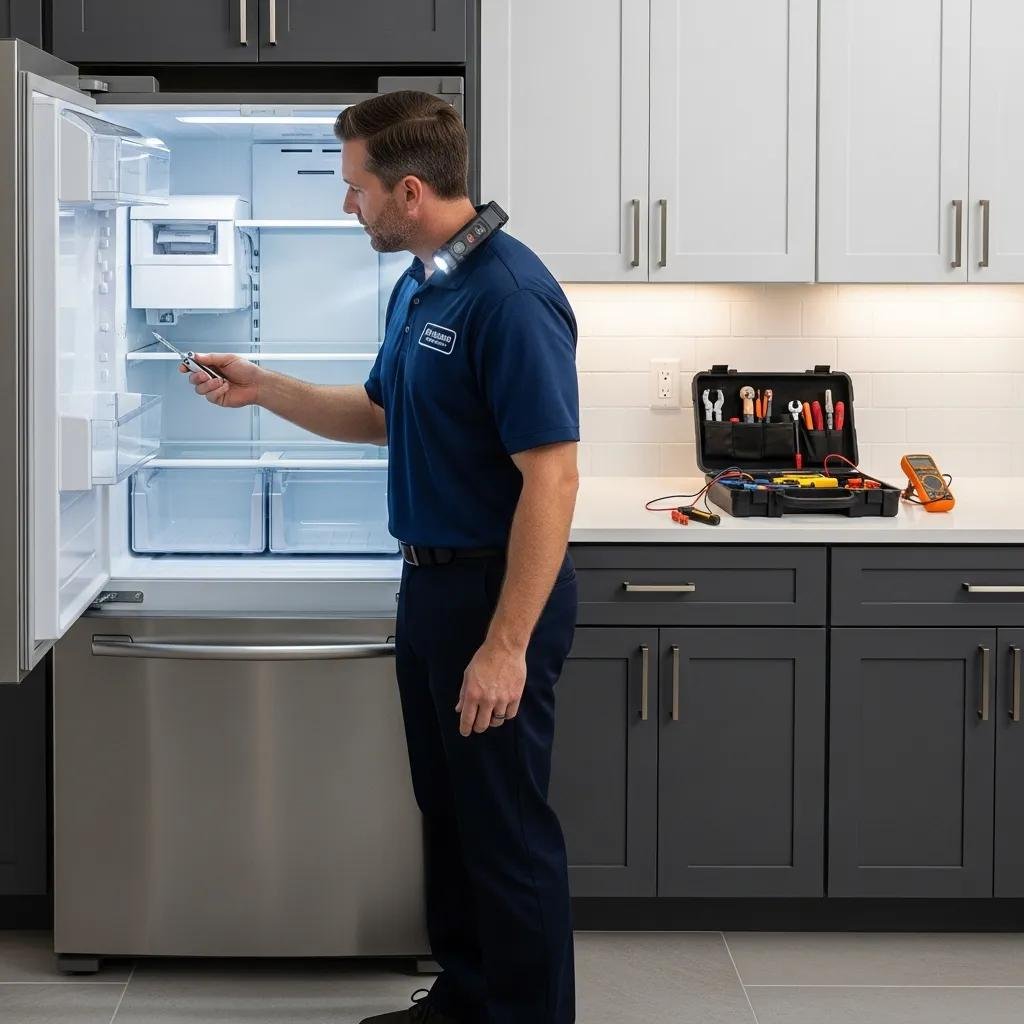
Professional Fridge Not Cooling Repair Services: Expert Diagnosis and Reliable Solutions
When your refrigerator fails to cool properly, it can lead to food spoilage and increased energy costs. Understanding the common causes of fridge cooling issues is essential for timely intervention. This article will explore the various reasons why your fridge may not be cooling, the role of critical components like the compressor and thermostat, and how to diagnose these problems effectively. Additionally, we will discuss the benefits of scheduling professional repair services and how online booking can enhance your experience. By the end of this guide, you will be equipped with the knowledge to address fridge cooling issues and understand when to seek expert help.
What Are the Common Causes of Fridge Cooling Issues?
Fridge cooling issues can arise from several common causes that affect the appliance’s performance. These include:
- Dirty Condenser Coils: When condenser coils are covered in dust and debris, they cannot dissipate heat effectively, leading to inadequate cooling.
- Faulty Compressor: The compressor is responsible for circulating refrigerant throughout the fridge. If it malfunctions, the cooling process is disrupted.
- Thermostat Malfunctions: A malfunctioning thermostat may not accurately read the temperature, causing the fridge to run inefficiently or not at all.
Identifying these issues early can prevent further damage and costly repairs. Understanding the mechanics behind these problems is crucial for effective troubleshooting.
How Do Compressor and Condenser Coil Problems Affect Cooling?
The compressor and condenser coils play vital roles in the refrigeration cycle. The compressor compresses the refrigerant, raising its temperature and pressure before it enters the condenser coils. Here’s how issues with these components can affect cooling:
- Compressor Issues: If the compressor fails, the refrigerant cannot circulate, leading to a complete loss of cooling. Symptoms of a faulty compressor include unusual noises and the fridge running continuously without cooling.
- Condenser Coil Problems: Dirty or damaged coils can hinder heat exchange, causing the fridge to overheat and fail to cool effectively. Regular cleaning and maintenance of these coils are essential for optimal performance.
Addressing these issues promptly can restore your fridge’s cooling capabilities and extend its lifespan.
Further research into refrigeration systems highlights the critical role of monitoring cooling fluid flow rates and compressor refrigerant pressure for effective fault diagnosis.
Refrigeration System Fault Diagnosis: Compressor & Refrigerant
in the refrigeration cycle, cooling fluid flow rates and compressor refrigerant pressure at compressor suction and discharge. The power consumption of the compressor and other
Fault diagnosis and refrigerant leak detection in vapour compression refrigeration systems, SA Tassou, 2005
What Role Do Thermostat and Evaporator Fan Malfunctions Play?
The thermostat and evaporator fan are critical for maintaining the desired temperature within the fridge. Their malfunctions can lead to significant cooling issues:
- Thermostat Function: The thermostat regulates the temperature by signaling the compressor to turn on or off. If it is faulty, the fridge may not cool adequately or may run continuously.
- Evaporator Fan Problems: The evaporator fan circulates cold air throughout the fridge. If it fails, cold air cannot reach all areas, resulting in uneven cooling. Signs of a malfunctioning fan include unusual noises and a lack of airflow.
Understanding these components’ roles can help you diagnose cooling issues more effectively.
How Can You Diagnose Why Your Refrigerator Is Not Cold Enough?
Diagnosing why your refrigerator is not cold enough involves a systematic approach. Here are some common diagnostic steps:
- Check the Temperature Settings: Ensure the thermostat is set to the correct temperature, typically between 35°F and 38°F.
- Inspect the Condenser Coils: Look for dust and debris on the coils. Cleaning them can improve cooling efficiency.
- Listen for the Compressor: If the compressor is not running, it may indicate a problem that requires professional assessment.
If these steps do not resolve the issue, it may be time to consult a professional appliance repair technician.
Advanced methods for fault detection and diagnosis often involve identifying specific sensor sets to accurately pinpoint issues within refrigeration systems.
Refrigerator Fault Detection & Diagnosis Methods
A fault detection and diagnosis (FDD) method was used to detect and diagnose faults on both a refrigerator. The objective of the method is to identify a set of sensors that can detect faults.
Fault detection and diagnosis in air conditioners and refrigerators, CW Bullard, 1999
What Are the Signs of a Fridge Compressor Problem?
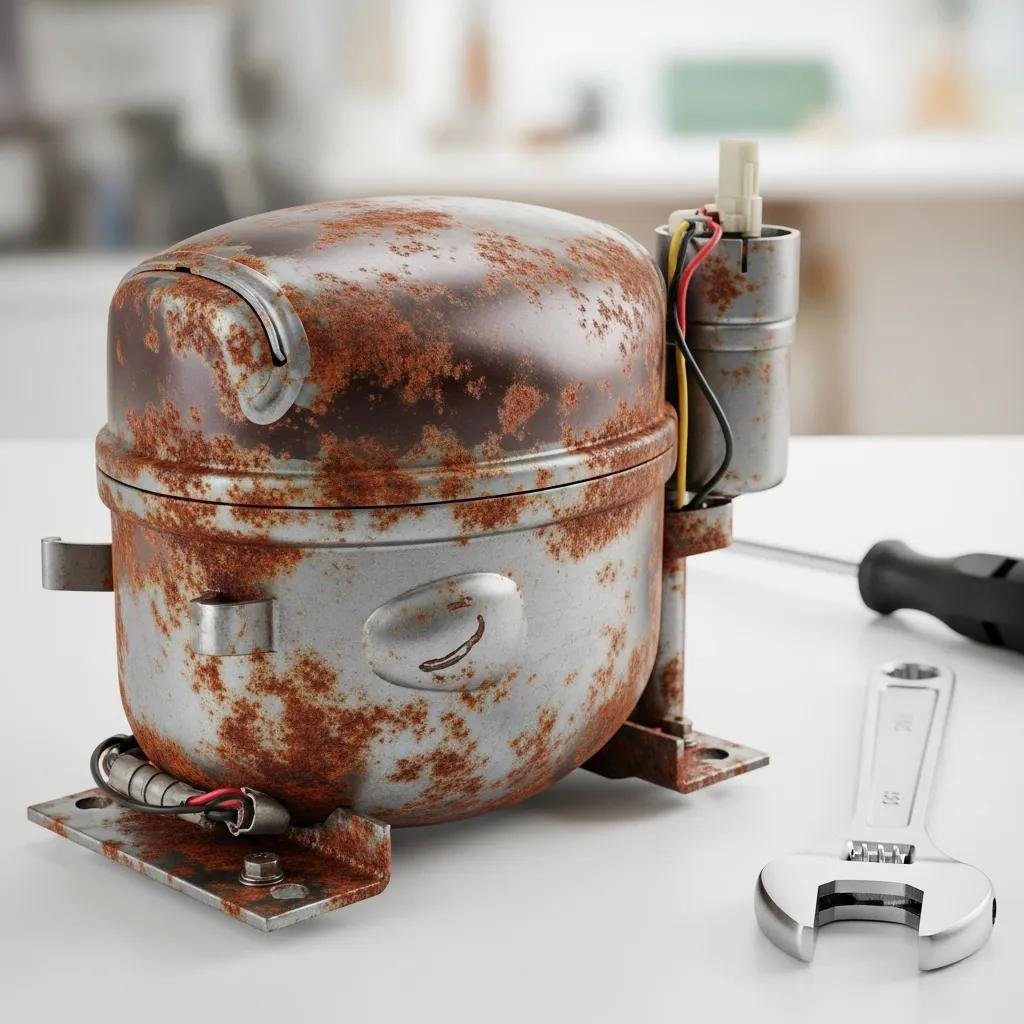
Identifying signs of a fridge compressor problem is crucial for timely repairs. Common symptoms include:
- Unusual Noises: Clicking or buzzing sounds may indicate compressor issues.
- Continuous Running: If the fridge runs constantly without reaching the desired temperature, the compressor may be malfunctioning.
- Increased Energy Bills: A failing compressor can lead to higher energy consumption, reflected in your utility bills.
Recognizing these signs early can help prevent further damage and costly repairs.
How to Check for Cooling System Failures Safely at Home?
Checking for cooling system failures can be done safely at home by following these guidelines:
- Unplug the Fridge: Always disconnect the power before inspecting any components.
- Inspect the Coils: Clean the condenser coils with a vacuum or brush to remove dust and debris.
- Check the Fan: Ensure the evaporator fan is running when the fridge door is closed. If not, it may need replacement.
If you are uncomfortable performing these checks, it is advisable to contact a professional for assistance.
Fridge Cooling Repair & Diagnosis | Dutchman Appliance Repair
Scheduling professional fridge repair offers several advantages:
- Expert Diagnosis: Trained technicians can accurately diagnose the issue, saving you time and frustration.
- Quality Repairs: Professionals have access to the right tools and parts, ensuring repairs are done correctly.
- Time-Saving: With online scheduling options, you can book repairs at your convenience, minimizing disruption to your daily routine.
For those experiencing fridge cooling issues, Dutchman Appliance Repair provides expert diagnosis and reliable solutions, ensuring your appliance is back to optimal performance quickly.
How Does Online Booking Enhance Appliance Repair Convenience?
Online booking for appliance repair services enhances convenience in several ways:
- Flexible Scheduling: You can choose a time that fits your schedule without the need for phone calls.
- Immediate Confirmation: Online systems often provide instant confirmation of your appointment, reducing uncertainty.
- User-Friendly Experience: Many online platforms are designed for ease of use, making the booking process straightforward.
This modern approach to scheduling repairs allows homeowners to manage their appliance issues efficiently.
Why Choose Expert Repair Services Over DIY Fixes?
While DIY repairs may seem cost-effective, expert repair services offer significant advantages:
- Safety: Professionals are trained to handle electrical components safely, reducing the risk of injury.
- Quality Assurance: Expert repairs come with warranties, ensuring peace of mind.
- Access to Specialized Tools: Technicians have the necessary tools and parts to complete repairs effectively.
Choosing professional services can save you time and ensure your fridge is repaired correctly.
Emphasizing the value of professional intervention, root cause analysis by maintenance experts is crucial for effectively addressing and preventing future refrigerator failures.
Refrigerator Failure Root Cause Analysis & Expert Repair
maintenance expert, to determine the root cause(s) of refrigerator failure and then fix all failures. need to procure refrigerators with voltage regulators to prevent adverse consequences of
Root cause analysis underscores the importance of understanding, addressing, and communicating cold chain equipment failures to improve equipment …, 2017
How Much Does Refrigerator Repair Cost for Cooling Issues?
The cost of refrigerator repair for cooling issues can vary based on several factors, including the type of repair needed and the components involved. Here are some typical price ranges:
- Compressor Replacement: $400 – $700
- Thermostat Replacement: $150 – $300
- Condenser Coil Cleaning: $100 – $200
Understanding these costs can help you budget for necessary repairs and avoid unexpected expenses.
What Are Typical Price Ranges for Fridge Cooling Repairs?
Typical price ranges for fridge cooling repairs can vary based on the specific issue and the service provider. Here’s a breakdown of common repair costs:
| Repair Type | Price Range |
|---|---|
| Compressor Replacement | $400 – $700 |
| Thermostat Replacement | $150 – $300 |
| Evaporator Fan Replacement | $250 – $400 |
These ranges provide a general idea of what to expect when seeking professional repair services.
How Do Repair Costs Vary by Component and Service Type?
Repair costs can vary significantly based on the component being repaired and the type of service required. Here are some factors that influence costs:
- Component Type: Major components like compressors typically cost more to replace than minor parts like thermostats.
- Service Type: Emergency repairs may incur additional fees compared to standard service calls.
- Labor Costs: Rates can vary by region and the technician’s experience level.
Understanding these variables can help you make informed decisions about your appliance repair needs.
What Maintenance Tips Prevent Fridge Cooling Failures?
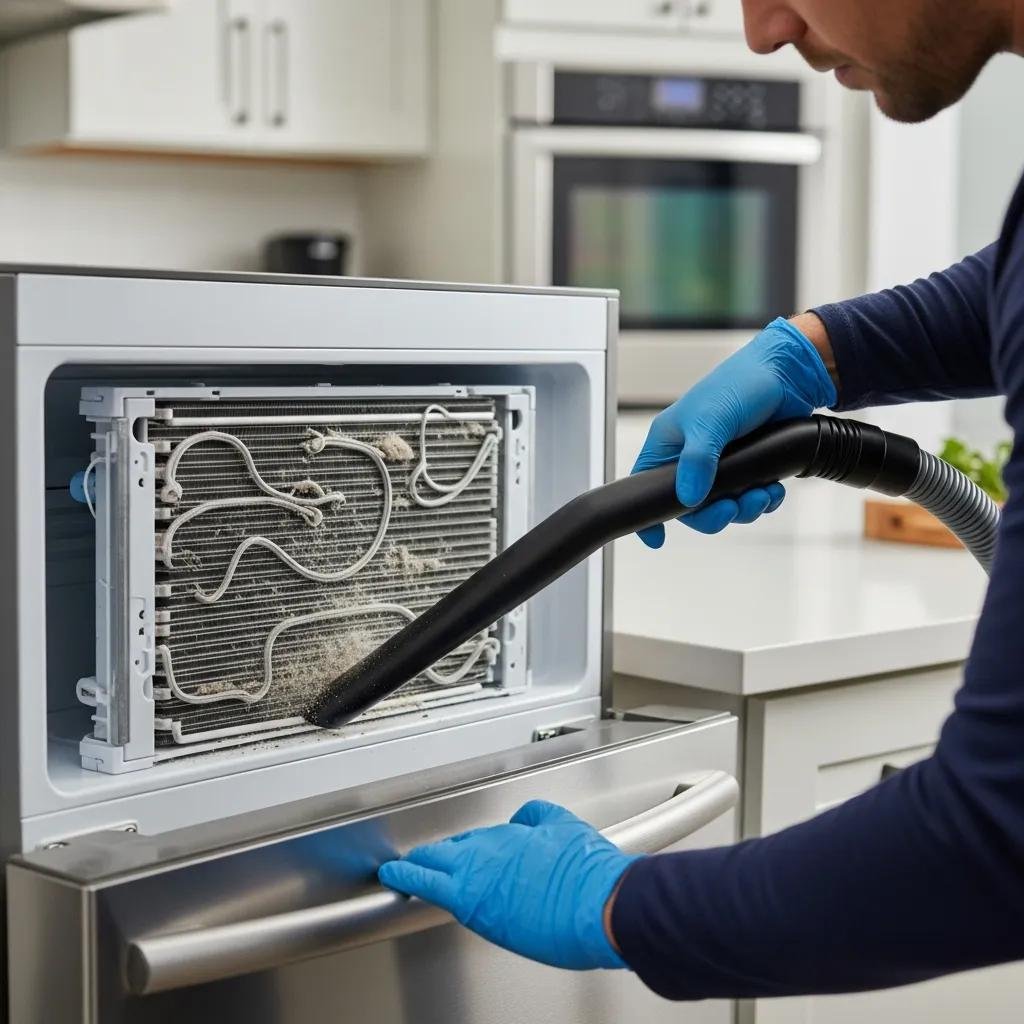
Preventing fridge cooling failures involves regular maintenance. Here are some essential tips:
- Clean Condenser Coils: Regularly clean the coils to ensure efficient heat dissipation.
- Check Door Seals: Inspect door seals for wear and tear to prevent cold air from escaping.
- Monitor Temperature Settings: Keep the thermostat set to the recommended temperature for optimal performance.
Implementing these maintenance practices can extend the life of your refrigerator and prevent costly repairs.
How to Keep Compressor and Coils Clean for Optimal Performance?
Keeping the compressor and coils clean is vital for optimal fridge performance. Here are some effective cleaning techniques:
- Vacuum the Coils: Use a vacuum with a brush attachment to remove dust and debris from the coils.
- Wipe Down the Compressor: Clean the compressor area with a damp cloth to remove any accumulated dirt.
- Schedule Professional Cleaning: Consider having a professional service perform a thorough cleaning annually.
Regular maintenance ensures your fridge operates efficiently and prolongs its lifespan.
When Should You Schedule Regular Appliance Check-Ups?
Scheduling regular appliance check-ups is essential for maintaining optimal performance. Here are some guidelines:
- Frequency: Aim for annual check-ups to catch potential issues early.
- Signs of Wear: If you notice unusual noises, temperature fluctuations, or increased energy bills, it may be time for a check-up.
- Professional Assessment: Regular assessments by a qualified technician can identify problems before they escalate.
By adhering to these recommendations, you can ensure your refrigerator remains in good working condition and avoid unexpected breakdowns.