Dryer Not Heating: Quick Fixes & Repair by Dutchman Appliance Repair
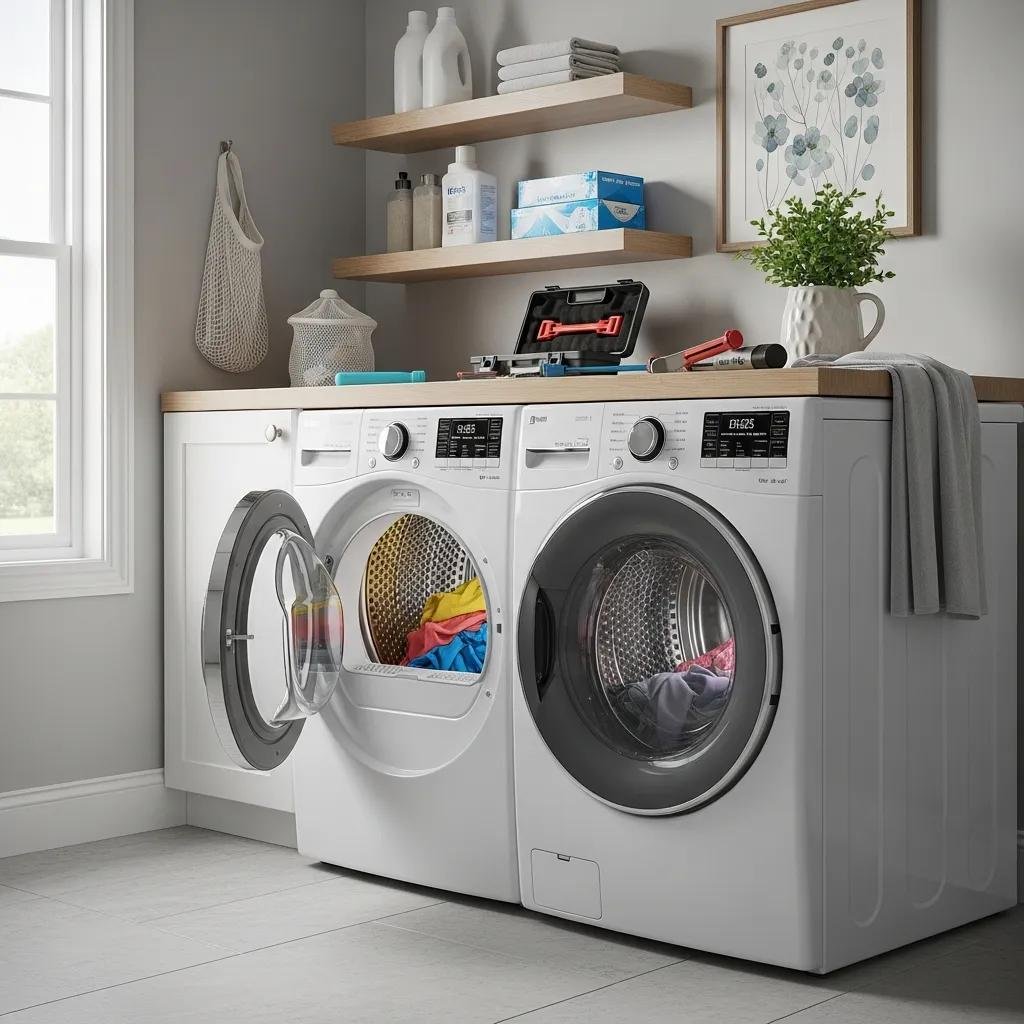
Dryer Not Heating: Professional Repair Services
Experiencing a dryer that won’t heat can be frustrating, especially when you rely on it for clean, dry clothes. Understanding the common causes of this issue is essential for effective troubleshooting and repair. In this article, we will explore the various reasons why your dryer may not be heating, the role of critical components like the heating element, thermostat, and thermal fuse, and how to diagnose and resolve these problems. Additionally, we will discuss the importance of professional repair services, particularly from Dutchman Appliance Repair, which specializes in addressing dryer heating issues. By the end of this guide, you will have a comprehensive understanding of dryer heating problems and the steps to take for effective solutions.
What Are the Common Causes of Dryer Heating Problems?
Several factors can contribute to a dryer not heating properly. Identifying these issues early can save time and prevent further damage. Here are some common causes:
- Clogged Vents: Lint buildup in the venting system can restrict airflow, leading to overheating and inadequate drying.
- Faulty Heating Elements: If the heating element is damaged or burned out, the dryer will not produce heat.
- Malfunctioning Thermostats: A thermostat that fails to regulate temperature can prevent the dryer from heating effectively.
If you suspect any of these issues, it may be time to contact a professional for assistance. Dutchman Appliance Repair specializes in diagnosing and repairing dryer heating problems, ensuring your appliance operates efficiently.
How Does a Faulty Heating Element Affect Dryer Performance?
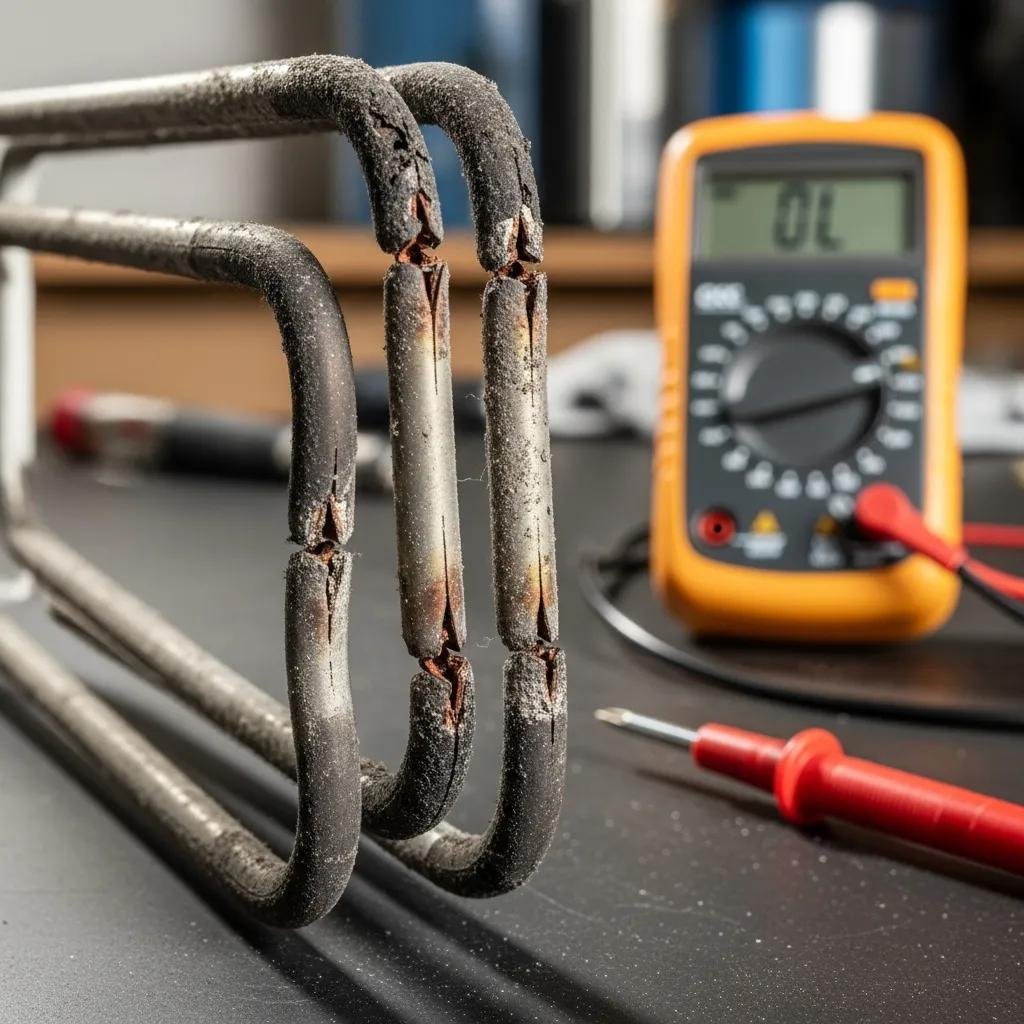
A faulty heating element is one of the primary reasons a dryer fails to heat. When the heating element is damaged, it cannot generate the necessary heat to dry clothes effectively. This can result in:
- No Heat Production: Clothes remain damp after a full drying cycle.
- Inconsistent Heating: The dryer may produce heat intermittently, leading to longer drying times.
- Longer Drying Times: Even if some heat is produced, it may not be sufficient to dry clothes in a reasonable timeframe.
Understanding the impact of a faulty heating element is crucial for effective troubleshooting and repair.
What Role Do the Thermostat and Thermal Fuse Play in Dryer Heating?
The thermostat and thermal fuse are essential components in regulating a dryer’s heating system. Their functions include:
- Thermostat Regulation: The thermostat monitors the temperature inside the dryer and ensures it remains within the desired range. If it malfunctions, it may prevent the heating element from activating.
- Thermal Fuse Protection: The thermal fuse acts as a safety device that cuts off power to the heating element if the dryer overheats. A blown thermal fuse will stop the dryer from heating altogether.
Both components are vital for safe and efficient dryer operation, and issues with either can lead to heating problems.
How Can You Diagnose a Dryer That Is Not Producing Heat?
Diagnosing a dryer that is not producing heat involves several steps. Here’s a systematic approach to identify the issue:
- Check Power Supply: Ensure the dryer is plugged in and that the circuit breaker has not tripped.
- Inspect Venting: Look for any obstructions in the venting system that could restrict airflow.
- Examine Heating Element: Test the heating element for continuity using a multimeter to determine if it is functioning properly.
If these steps do not resolve the issue, it may be time to consult with Dutchman Appliance Repair for expert diagnosis and repair services.
Indeed, effective fault diagnosis in household appliances is a complex activity that demands specialized knowledge of the appliance, its components, and its overall functioning.
Household Appliance Fault Diagnosis & Design Insights
we correlate facilitating and hampering features with the appliances’ design. The process of fault diagnosis in household appliances is a complex activity that requires knowledge about the appliance, its components, and its functioning.
Practices of fault diagnosis in household appliances: Insights for design, BP Arcos, 2020
What Are the Steps to Test the Dryer Heating Element?
Testing the heating element is a straightforward process that can help determine if it is the source of the problem. Follow these steps:
- Safety Precautions: Unplug the dryer to ensure safety while working on it.
- Tools Needed: Gather a multimeter and a screwdriver for access.
- Testing Procedure: Remove the heating element cover and use the multimeter to check for continuity. A lack of continuity indicates a faulty heating element that needs replacement.
By following these steps, you can effectively assess the heating element’s condition.
How to Identify Thermostat and Thermal Fuse Issues in Your Dryer?
Identifying issues with the thermostat and thermal fuse requires careful inspection and testing:
- Symptoms of Failure: If the dryer runs but does not heat, the thermostat or thermal fuse may be faulty.
- Testing Methods: Use a multimeter to check for continuity in both the thermostat and thermal fuse. If either component shows no continuity, it will need to be replaced.
Understanding these components’ roles and how to test them can help you diagnose heating issues effectively.
What Are the Options for Dryer Heating Element Repair and Replacement?
When it comes to repairing or replacing a faulty heating element, you have several options:
- Repair: If the heating element has minor damage, it may be possible to repair it. This is often a cost-effective solution.
- Replacement: In cases of severe damage or wear, replacing the heating element is the best option. New heating elements are available for most dryer models.
Consulting with a professional can help determine the best course of action based on the specific issue.
When Is Heating Element Repair Recommended Over Replacement?
Deciding whether to repair or replace a heating element depends on several factors:
- Visible Damage: If the heating element shows signs of significant wear or damage, replacement is usually recommended.
- Cost Considerations: Evaluate the cost of repair versus replacement. If the repair cost is close to the price of a new element, replacement may be the better option.
A professional technician can provide guidance on the most economical and effective solution.
How Do Certified Technicians Ensure Reliable Dryer Heating Repairs?
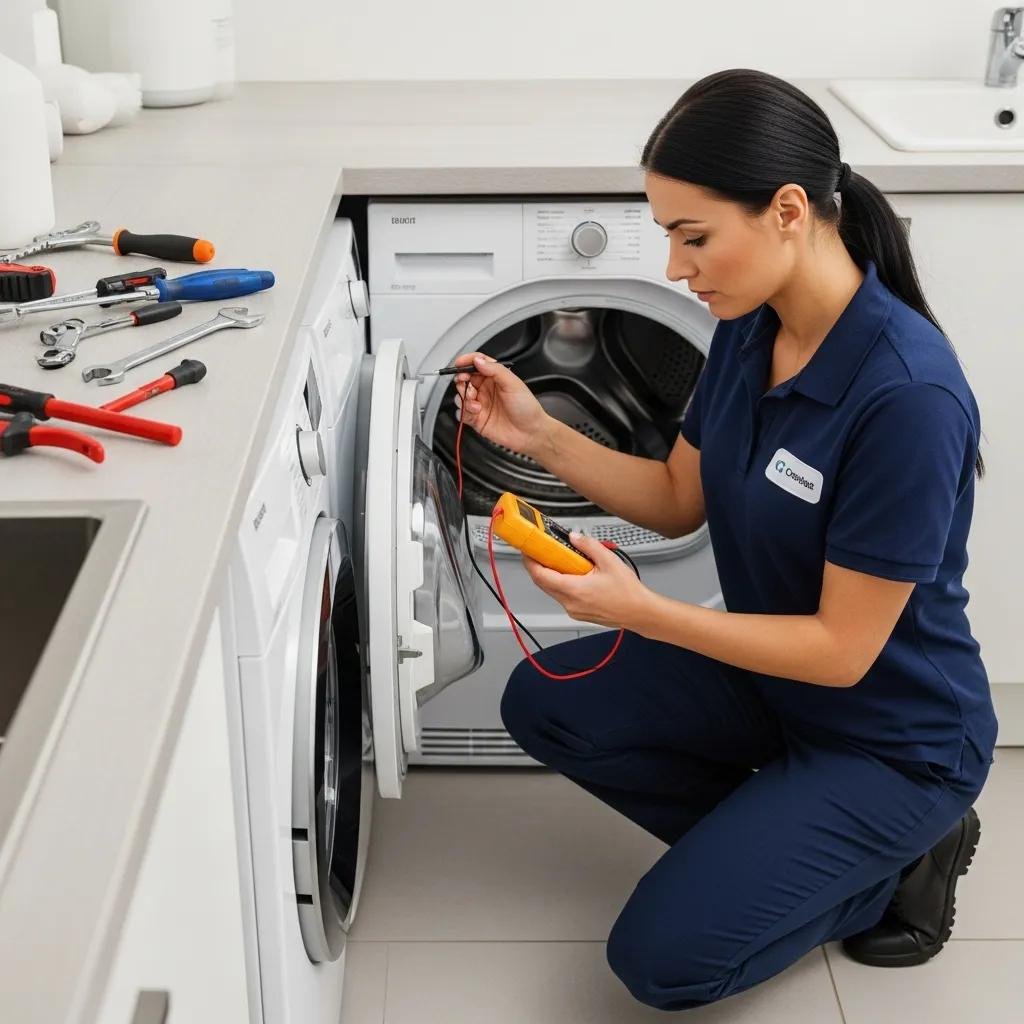
Certified technicians play a crucial role in ensuring reliable dryer heating repairs. Their expertise includes:
- Expert Diagnosis: Technicians can quickly identify the root cause of heating issues, saving time and effort.
- Efficient Repairs: With the right tools and knowledge, certified professionals can perform repairs effectively, ensuring the dryer operates safely and efficiently.
Choosing a certified technician, like those at Dutchman Appliance Repair, guarantees quality service and peace of mind.
The foundation of such quality service often lies in comprehensive training and a deep understanding of laundry equipment.
Appliance Repair Training: Course Outline & Laundry Equipment
Contents include the course philosophy, listing of course objectives and activities to achieve them, plan of instructional practice, listing of appliance repair reference materials, bibliography, listing of resources for visual aids, and course outline. These seven units are included: orientation, basic electricity, basic shop tools, laundry equipment, kitchen equipment, and refrigeration.
Trade and Industrial Education Course of Study for Appliance Repair., 1980
How Much Does It Cost to Repair Dryer Heating Issues?
The cost of repairing dryer heating issues can vary based on several factors:
- Typical Repair Costs: On average, dryer heating repairs can range from $100 to $300, depending on the specific problem and parts needed.
- Factors Influencing Price: The complexity of the repair, the type of parts required, and labor costs can all affect the final price.
Understanding these factors can help you budget for necessary repairs.
What Factors Influence the Price of Dryer Heating Element Repairs?
Several factors can influence the price of dryer heating element repairs:
- Type of Repair Needed: Simple repairs may cost less than complex ones that require extensive labor.
- Parts Required: The cost of replacement parts, such as heating elements or thermostats, can vary significantly.
Being aware of these factors can help you make informed decisions regarding repairs.
How Does Transparent Pricing Benefit Customers Scheduling Repairs?
Transparent pricing is essential for customers scheduling repairs. Benefits include:
- Upfront Estimates: Customers receive clear estimates before any work begins, allowing for better budgeting.
- Budgeting Without Hidden Fees: Transparent pricing ensures there are no surprises, making it easier for customers to plan for repairs.
This approach fosters trust and satisfaction in the repair process.
How Can You Schedule Professional Dryer Repair Services Near You?
Scheduling professional dryer repair services is straightforward. Here are the steps to follow:
- Identify Local Technicians: Research and find reputable appliance repair services in your area.
- Contact Service Providers: Reach out to schedule an appointment, providing details about the issue.
For expert assistance, consider contacting Dutchman Appliance Repair, known for its reliable service and expertise in dryer repairs.
What Are the Advantages of Online Scheduling for Dryer Repairs?
Online scheduling offers several advantages for customers seeking dryer repairs:
- Convenience: Customers can schedule appointments at their convenience without needing to make phone calls.
- Quick Access to Services: Online platforms often provide immediate confirmation and details about the service.
These benefits make online scheduling a preferred option for many customers.
How to Choose a Trusted Local Appliance Repair Service?
Choosing a trusted local appliance repair service involves several considerations:
- Experience and Expertise: Look for companies with a proven track record in appliance repair.
- Customer Reviews: Check online reviews and testimonials to gauge customer satisfaction.
By following these guidelines, you can select a reliable service provider for your dryer repair needs.
Selecting a reliable service provider also means considering the proficiency and expectations of the appliance service technicians themselves.
Appliance Service Technician Proficiency & Expectations
Thank you to the eight appliance service professionals who participated in this study. Their insights into the proficiency requirements for appliance service technicians, and the expectations facing appliance service technicians who are non-native English speakers, were invaluable.
Learning about an occupation: communication, practices and personal qualities emerging in conversations with appliance service technicians, 2003
What Maintenance Tips Help Prevent Dryer Heating Problems?
Preventive maintenance can help avoid heating issues in your dryer. Here are some essential tips:
- Regular Cleaning: Clean the lint trap after every use to ensure proper airflow.
- Inspecting Vents: Periodically check and clean the venting system to prevent clogs.
Implementing these maintenance practices can extend the life of your dryer and improve its efficiency.
What Safety Practices Should You Follow When Using Your Dryer?
Safety is paramount when using your dryer. Follow these practices to ensure safe operation:
- Regular Cleaning of Lint Trap: Always clean the lint trap before each use to prevent fires.
- Monitoring Performance: Pay attention to unusual noises or smells, which may indicate a problem.
By adhering to these safety practices, you can minimize risks associated with dryer use.