
dishwasher not draining
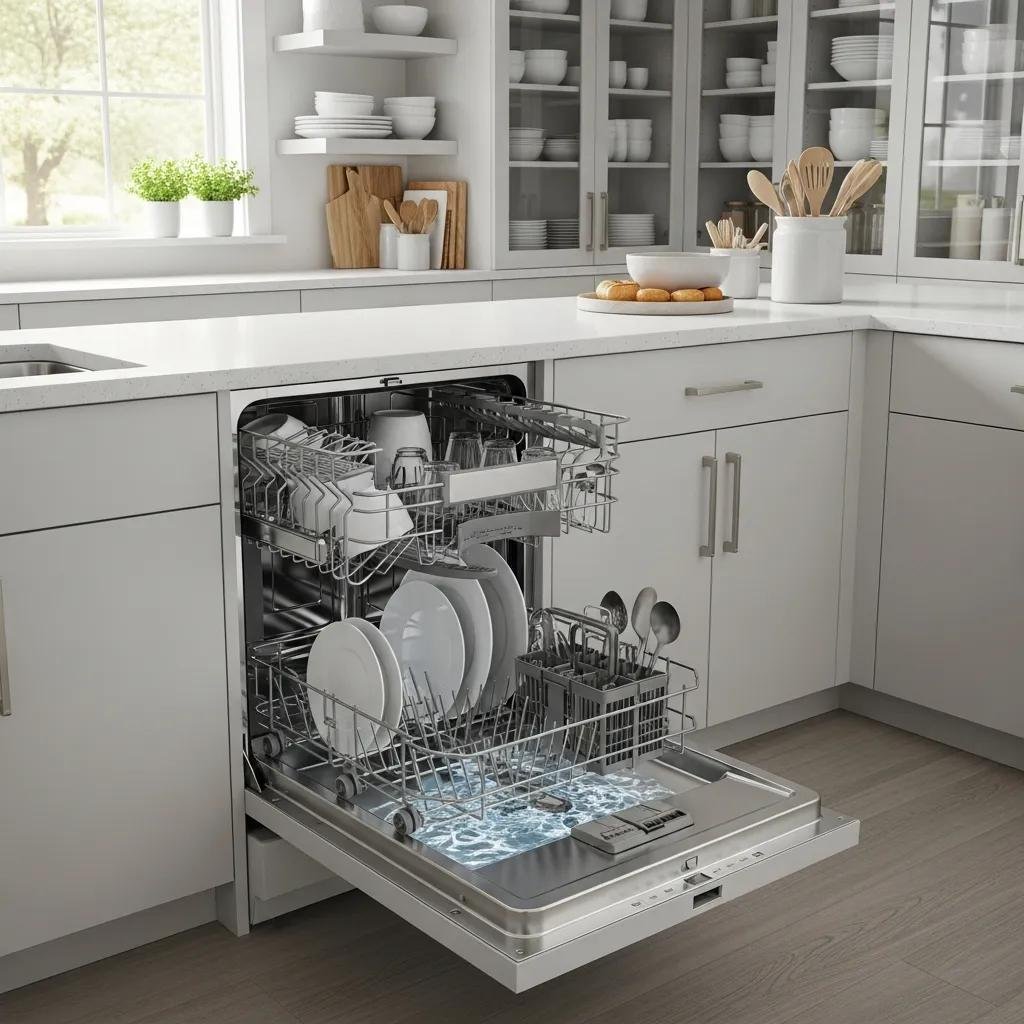
Dishwasher Not Draining: Expert Diagnosis and Reliable Repair Services
A malfunctioning dishwasher can be a significant inconvenience, especially when it fails to drain properly. Understanding the common causes of this issue and knowing how to address them can save you time and money. This article will explore the various reasons why a dishwasher may not drain, the expert techniques used for diagnosis, and the reliable repair services available to resolve these problems. By the end, you will have a comprehensive understanding of how to tackle dishwasher drainage issues effectively.
Dishwasher Drainage Issues: Overview and Solutions
Dishwasher drainage issues can manifest in several ways, including standing water at the bottom of the appliance or slow drainage during cycles. These problems often indicate underlying issues that require prompt attention. Timely repair is crucial to prevent further damage to the appliance and to ensure it operates efficiently. Understanding the symptoms and potential solutions can help homeowners take the necessary steps to restore their dishwashers to optimal functioning.
Common Causes of Dishwasher Drainage Problems:
Identifying the main causes of drainage issues is essential for effective troubleshooting. Here are some common culprits:
- Clogged Filters: Over time, food particles and debris can accumulate in the dishwasher’s filter, leading to blockages that prevent proper drainage.
- Blocked Drain Hoses: Kinks or obstructions in the drain hose can impede water flow, causing drainage problems.
- Faulty Drain Pumps: The drain pump is responsible for expelling water from the dishwasher. If it malfunctions, the appliance will not drain effectively.
| Cause | Description | Impact Level |
|---|---|---|
| Clogged Filters | Accumulation of debris in the filter | High |
| Blocked Drain Hoses | Kinks or obstructions in the hose | Medium |
| Faulty Drain Pumps | Malfunctioning pump prevents drainage | High |
Understanding these causes can help homeowners diagnose their dishwasher issues more effectively.
Expert Diagnosis Techniques:
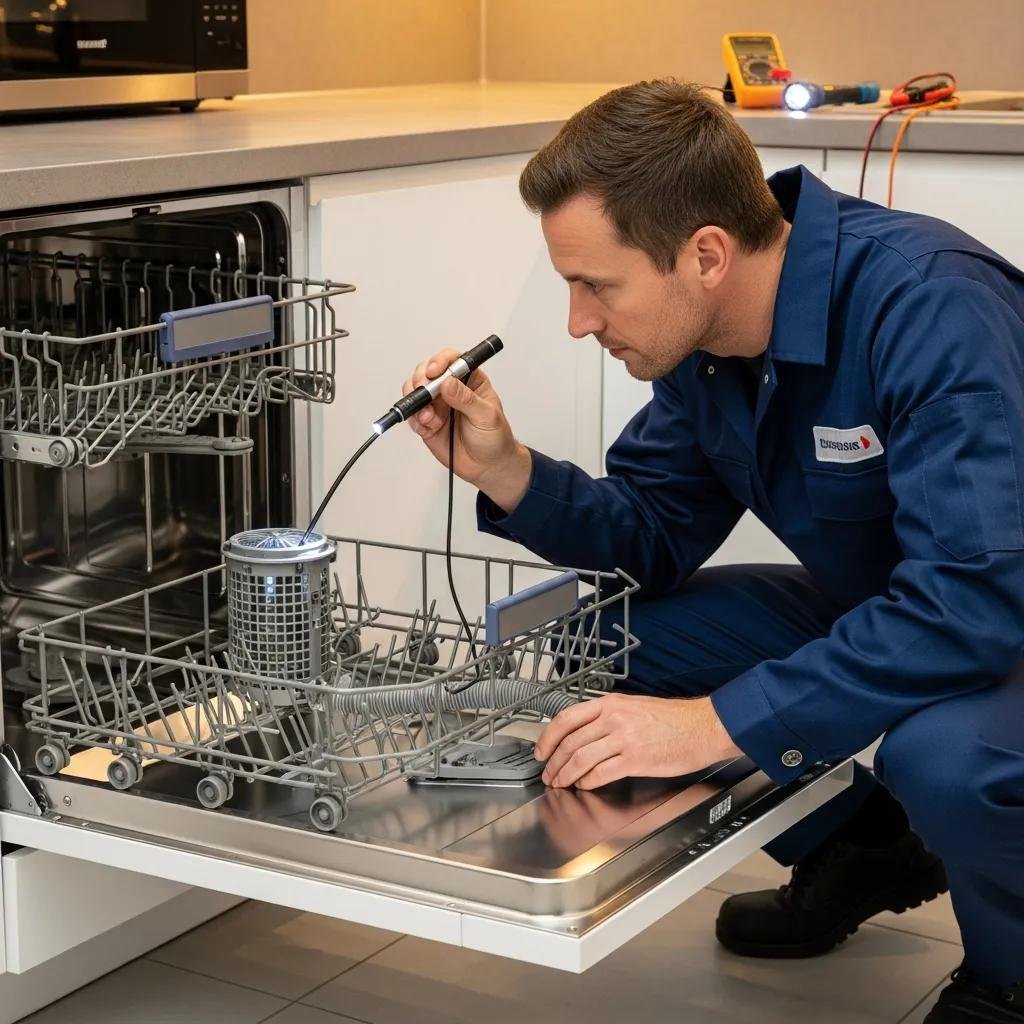
Professionals employ various techniques to diagnose drainage issues accurately. These methods include:
- Visual Inspection: Technicians visually inspect the dishwasher components, including filters and hoses, to identify any visible blockages or damage.
- Functional Testing: By running diagnostic cycles, experts can observe the dishwasher’s performance and pinpoint where the drainage process fails.
- Pressure Testing: This technique involves checking the pressure within the drainage system to ensure it meets operational standards.
These expert techniques ensure a thorough assessment of the dishwasher’s drainage system, leading to accurate diagnoses and effective repairs.
Reliable Repair Services:

When faced with a dishwasher that won’t drain, seeking professional repair services is often the best course of action. Dutchman Appliance Repair specializes in resolving such issues, offering:
- Same-Day Service Availability: Quick response times to address urgent drainage problems.
- Certified Technicians: Skilled professionals with expertise in diagnosing and repairing various dishwasher models.
- Transparent Pricing: Clear and upfront pricing for all repair services, ensuring no hidden fees.
For those needing assistance, Dutchman Appliance Repair can be reached at (862) 325-6381.
How Can You Diagnose Dishwasher Water Not Draining Effectively?
Diagnosing why your dishwasher is not draining can be straightforward if you follow these steps:
- Check the Filter: Remove and clean the filter to eliminate any debris that may be causing blockages.
- Inspect the Drain Hose: Ensure the hose is free from kinks and obstructions that could hinder water flow.
- Test the Drain Pump: Listen for unusual noises during the drain cycle, which may indicate a malfunctioning pump.
By following these steps, homeowners can effectively identify the source of their dishwasher’s drainage issues.
Understanding the user’s perspective on diagnosing appliance faults is crucial for both homeowners and designers.
Household Appliance Fault Diagnosis & Repair Design
In this study, we ask how conventional users diagnose faults in household appliances and how the design of these appliances facilitates or hampers the process of fault diagnosis and product-repair.
Practices of fault diagnosis in household appliances: Insights for design, BP Arcos, 2020
What Are the Signs of Drain Pump and Drain Hose Failures?
Recognizing the signs of drain pump and drain hose failures is crucial for timely intervention. Key indicators include:
- Standing Water: Water pooling at the bottom of the dishwasher after a cycle is a clear sign of drainage failure.
- Unusual Noises: Grinding or buzzing sounds during the drain cycle may indicate a problem with the drain pump.
- Error Codes: Many modern dishwashers display error codes that can help identify specific issues related to drainage.
These signs can guide homeowners in determining when to seek professional help.
How to Identify and Troubleshoot Dishwasher Drain Clogs?
Troubleshooting clogs in the dishwasher involves several steps:
- Check the Filter: Regularly clean the filter to prevent buildup.
- Inspect Spray Arms: Ensure that the spray arms are not blocked by debris, which can affect water circulation.
- Run a Cleaning Cycle: Use a dishwasher cleaner to eliminate any residual buildup within the appliance.
By following these troubleshooting steps, homeowners can often resolve minor drainage issues without professional assistance.
When Should You Choose Professional Dishwasher Drainage Repair?
There are specific scenarios when opting for professional repair services is advisable:
- Signs of Serious Issues: If you notice persistent drainage problems despite troubleshooting, it may indicate a more significant issue.
- Cost Considerations: Weighing the cost of repairs against the potential for further damage can help determine the best course of action.
- Benefits of Professional Service: Professionals can provide a thorough diagnosis and ensure that repairs are conducted safely and effectively.
Choosing to engage experts can save time and prevent further complications.
What Are the Benefits of Expert Repair Over DIY Solutions?
While DIY repairs can be tempting, there are several advantages to hiring professionals:
- Expert Diagnosis: Professionals have the training and experience to accurately diagnose complex issues.
- Efficient Repairs: Technicians can often complete repairs more quickly than a homeowner attempting to fix the problem themselves.
- Safety Considerations: Professionals are trained to handle electrical and plumbing components safely, reducing the risk of accidents.
These benefits highlight the value of professional repair services for dishwasher drainage issues.
How Does Dutchman Appliance Repair Ensure Reliable Service?
Dutchman Appliance Repair is committed to providing reliable service through:
- Expert Diagnosis: Technicians utilize advanced diagnostic tools to identify issues accurately.
- Quality Repair Techniques: The team employs best practices to ensure repairs are effective and long-lasting.
- Customer Satisfaction Guarantee: A focus on customer satisfaction ensures that clients receive the best possible service.
This commitment to quality makes Dutchman Appliance Repair a trusted choice for appliance repair needs.
What Is the Process for Dishwasher Drain Pump Replacement?
Replacing a dishwasher drain pump involves several steps:
- Disconnect Power: Ensure the dishwasher is unplugged to prevent electrical hazards.
- Remove the Old Pump: Access the pump and carefully detach it from the appliance.
- Install the New Pump: Follow manufacturer instructions to install the new pump securely.
This process requires careful attention to detail to ensure proper installation and functionality.
Step-by-Step Guide to Replacing a Faulty Drain Pump
Replacing a faulty drain pump can be accomplished by following these steps:
- Gather Necessary Tools: Ensure you have the right tools, including screwdrivers and pliers.
- Follow Safety Protocols: Always disconnect the power supply before beginning repairs.
- Test the New Pump: After installation, run a cycle to ensure the new pump operates correctly.
By following these steps, homeowners can successfully replace a faulty drain pump.
How to Maintain Drain Components to Prevent Future Issues?
Regular maintenance of drain components can help prevent future drainage issues. Here are some tips:
- Regular Cleaning: Clean the filter and spray arms frequently to prevent clogs.
- Inspect Hoses: Periodically check hoses for kinks or damage that could impede water flow.
- Run Cleaning Cycles: Use dishwasher cleaners regularly to maintain optimal performance.
Implementing these maintenance practices can extend the life of your dishwasher and improve its efficiency.
How Can You Schedule Dishwasher Drainage Repair Online Conveniently?
Scheduling repair services online can be a straightforward process. Here’s how:
- Visit the Website: Go to the Dutchman Appliance Repair website.
- Fill Out the Service Request Form: Provide necessary details about your dishwasher issue.
- Confirmation of Appointment: After submitting the form, you will receive a confirmation of your scheduled appointment.
This convenient process allows homeowners to quickly arrange for professional assistance.
What Are the Steps to Book Appliance Repair Services with Dutchman?
Booking appliance repair services with Dutchman is simple and efficient:
- Access the Online Scheduling Form: Navigate to the scheduling section on the website.
- Provide Necessary Information: Fill in your contact details and describe the issue with your dishwasher.
- Receive Confirmation: After submitting your request, you will receive a confirmation email with appointment details.
This streamlined process ensures that homeowners can easily access the repair services they need.
What Should Homeowners Expect During the Repair Appointment?
During a repair appointment, homeowners can expect the following:
- Typical Process: The technician will assess the dishwasher, diagnose the issue, and discuss repair options.
- Duration of Appointment: Most repairs can be completed within a few hours, depending on the complexity of the issue.
- Preparations for Scheduling: Homeowners should ensure that the area around the dishwasher is accessible for the technician.
Understanding what to expect can help homeowners feel more prepared for their repair appointment.